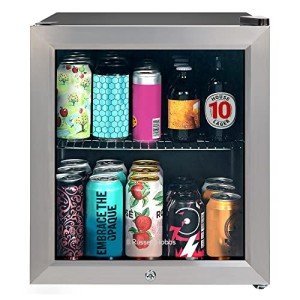
Wine Coolers: The Essential Guide to Perfectly Stored Wine
For wine lovers, ensuring that each bottle reaches its peak potential is vital. Proper storage is not just a matter of choice; it's a vital element in preserving the fragile flavors and scents that make wine so pleasurable. While a standard fridge might look like a practical choice, it's far from perfect for long-term wine storage. This is where wine coolers, likewise called wine refrigerators or wine cabinets, step in as specialized appliances created particularly to preserve the optimum conditions for your valued collection.
Wine coolers are more than simply elegant gadgets; they are committed appliances engineered to protect your investment in wine. They use precise temperature level control, humidity policy, and protection from harmful UV rays and vibrations, all of which are damaging to wine quality when neglected. Understanding the subtleties of wine coolers empowers lovers and casual drinkers alike to make informed decisions about saving their bottles and optimizing their drinking pleasure.
This short article delves into the world of wine coolers, exploring their types, advantages, key considerations when selecting one, and how they can elevate your wine experience. Whether you're an experienced collector or simply starting to appreciate the art of wine, comprehending wine coolers is an investment in the quality and durability of your collection.
Understanding the Variety: Types of Wine Coolers
Wine coolers are not a one-size-fits-all device. They come in numerous styles and make use of different innovations to attain optimal storage conditions. Understanding these variations is essential to picking the best wine cooler for your particular requirements and space. Broadly, wine coolers can be classified based upon their cooling technology and setup type.
Based on Cooling Technology:
- Compressor-Based Wine Coolers: These coolers utilize a vapor compression system, comparable to a basic fridge, to cool the interior. Compressor-based coolers are known for their effective cooling capacity, capability to reach colder temperature levels, and consistent temperature level maintenance, even in warmer environments. They are typically more energy-efficient for larger capacity coolers and are ideal for those who require to keep red and gewurztraminers at different, particular temperatures. Nevertheless, compressor-based coolers can be slightly noisier and may produce more vibrations compared to thermoelectric designs.
- Thermoelectric Wine Coolers (Peltier Coolers): These coolers utilize the Peltier result, using an electrical current to create a temperature difference in between 2 sides of a thermoelectric module. Thermoelectric coolers are normally quieter, more energy-efficient for smaller sized systems, and produce fewer vibrations. They are also lighter and frequently more economical than compressor-based choices. Nevertheless, they are less effective in cooling and struggle to preserve regularly low temperatures in warmer ambient environments. Their cooling capacity is likewise normally restricted, making them finest suited for smaller sized collections and environments with moderate temperatures.
Based on Installation Type:
- Freestanding Wine Coolers: These are the most common type and are developed to stand alone, away from walls and cabinets to allow for correct ventilation. Freestanding models are typically more affordable and offer flexibility in placement, as they can be moved easily. They come in a large range of sizes and capacities, accommodating numerous collection sizes.
- Built-in Wine Coolers: Designed to be effortlessly incorporated into cabinets, built-in wine coolers use a sleek and advanced appearance. They are ventilated from the front, permitting flush setup and a consistent visual in kitchen areas or bars. Built-in designs often come with premium features and are perfect for those seeking a polished, incorporated look.
- Countertop Wine Coolers: Compact and designed to sit on a countertop, these coolers are ideal for smaller sized collections and restricted spaces. Countertop models are usually thermoelectric and provide a convenient method to save a couple of bottles of wine at the ideal temperature without needing considerable space. They are perfect for casual wine drinkers or those with minimal space in apartments or smaller sized homes.
Key Considerations When Choosing Your Wine Cooler
Picking the right wine cooler requires cautious factor to consider of several aspects to ensure it meets your requirements and protects your wine collection effectively.
Here are crucial elements to consider:
- Capacity: Determine the size of your existing wine collection and anticipate future development. Wine coolers are measured in bottle capacity, usually based upon basic Bordeaux-style bottles. Select Drinks Fridges Frydge that accommodates your requirements, leaving some space for growth.
Temperature Zones: Decide whether you need a single-zone or dual-zone wine cooler.
- Single-zone coolers maintain a constant temperature level throughout, suitable for storing one kind of wine (e.g., mainly red or white).
- Dual-zone coolers function two separately managed temperature zones, allowing you to save both red and gewurztraminers at their respective optimal temperature levels within the very same unit. This is ideal for those who delight in a range of red wines.
- Size and Space: Measure the readily available area where you plan to position the wine cooler. Consider both the external measurements and the internal capacity to ensure it fits conveniently without overcrowding. For built-in designs, accurate measurements of cabinet openings are crucial.
- Sound Level: Compressor-based coolers tend to produce some noise, comparable to a regular refrigerator. Thermoelectric coolers are typically quieter. Think about the place of the cooler and your level of sensitivity to sound when choosing between these technologies.
- Energy Efficiency: Look for energy-efficient models, particularly if you plan to run the wine cooler constantly. Energy performance rankings can be discovered on item labels and specs. Thermoelectric coolers are typically more efficient for smaller sizes, while compressor-based models might be more efficient for larger systems.
Functions: Consider additional features that enhance functionality and wine preservation:
- UV-Protective Glass Doors: Protect wine from hazardous UV rays that can deteriorate wine quality.
- Humidity Control: Some high-end coolers provide humidity control to preserve optimum humidity levels, preventing corks from drying out.
- Vibration Dampening: Reduces vibrations, which can interrupt wine sediment and adversely effect long-lasting aging.
- Digital Controls and Displays: Offer exact temperature level setting and monitoring.
- Interior Lighting (LED): Provides soft illumination to see your collection without generating heat.
- Adjustable Shelving: Allows for versatile storage of different bottle shapes and sizes.
- Locking Mechanism: Provides security, particularly if you have valuable white wines or kids in your house.
- Budget: Wine coolers vary in price from a couple of hundred to a number of thousand dollars, depending upon size, functions, and brand name. Determine your budget plan and prioritize features that are most essential to you.
The Benefits of Investing in a Wine Cooler
Beyond simply cooling wine, wine coolers provide a host of advantages that contribute considerably to the quality and satisfaction of your wine collection:
- Optimal Temperature Control: Wine coolers maintain a consistent and accurate temperature level, important for long-lasting storage and optimum flavor advancement. Unlike refrigerators, which are too cold and dry for wine, wine coolers are designed for the specific temperature ranges needed for different wine types.
- Humidity Regulation: Many wine coolers, specifically higher-end models, manage humidity levels, avoiding corks from drying out and guaranteeing a correct seal. Optimal humidity avoids evaporation and oxidation of the wine.
- Protection from Light: UV rays from sunlight or fluorescent lighting can harm wine gradually, causing early aging and off-flavors. Wine coolers generally include UV-protective glass doors, shielding your bottles from damaging light.
- Vibration Reduction: Constant vibrations can disturb sediment in aging wines and adversely affect their advancement. Wine coolers are developed to minimize vibrations, providing a steady environment for your collection.
- Organization and Space Saving: Wine coolers offer dedicated and organized storage for your bottles, taking full advantage of area and making it simple to access and view your collection. They remove the mess of wine bottles scattered in general refrigerators or pantries.
- Enhanced Wine Enjoyment: By storing wine under perfect conditions, wine coolers make sure that your bottles reach their full capacity, permitting you to enjoy the intended flavors and scents when you finally open them.
- Visual Appeal: Wine coolers can be stylish additions to your home, adding a touch of sophistication to kitchen areas, dining rooms, or home entertainment locations.
Maintaining Your Wine Cooler: Simple Care Tips
To ensure your wine cooler operates efficiently and continues to safeguard your wine collection, regular maintenance is important.
Here are some simple suggestions:
- Regular Cleaning: Clean the interior of your wine cooler every few months utilizing a moderate cleaning agent and water. Disconnect the cooler before cleansing.
- Defrosting (for designs with manual defrost): Some older or basic designs might require manual defrosting. Follow the producer's directions to defrost when ice buildup becomes significant. Numerous modern coolers feature automatic defrost.
- Inspect Door Seals: Regularly examine the door seals to ensure they are clean and sealing correctly. A bad seal can lead to temperature level fluctuations and increased energy usage.
- Appropriate Ventilation: Ensure freestanding wine coolers have adequate ventilation space around them as recommended by the manufacturer. Built-in models require front ventilation to be unblocked.
- Prevent Overloading: Do not overload the wine cooler, as this can restrain air blood circulation and impact cooling effectiveness.
- Display Temperature: Periodically examine the temperature inside the cooler to guarantee it is keeping the set temperature level.
Typical Misconceptions About Wine Coolers
There are some typical misunderstandings about wine coolers that deserve attending to:
- Wine coolers are only for wine lovers: While wine collectors certainly benefit from wine coolers, anybody who delights in wine and wishes to keep it correctly can benefit. Even casual wine drinkers can value the improved taste and longevity of wine saved in a cooler.
- Any refrigerator can keep wine: Standard refrigerators are too cold and dry for wine storage. The low humidity can dry out corks, and the cold temperatures can prevent appropriate aging and advancement. Wine coolers are particularly created for wine's distinct storage requirements.
- Wine coolers are costly luxury products: While high-end designs can be costly, there are many cost effective wine coolers offered, specifically smaller sized thermoelectric units. The expense of a wine cooler can be seen as a financial investment in preserving the value and quality of your wine collection.
- Wine coolers take in a lot of energy: Modern wine coolers, especially thermoelectric designs, are designed to be energy-efficient. Choosing a properly sized cooler for your needs and guaranteeing appropriate maintenance will add to energy cost savings.
Regularly Asked Questions (FAQs) About Wine Coolers
Q: What is the ideal temperature for storing wine in a wine cooler?A: The ideal temperature range for long-lasting wine storage is generally in between 50-59 ° F(10-15 ° C). Red red wines are typically stored somewhat warmer (around 60-65 ° F or 15-18 ° C), while white red wines and shimmering white wines are stored a little cooler (around 45-50 ° F or 7-10 ° C). A dual-zone wine cooler permits storing both types at their optimum temperatures.
Q: Do wine coolers likewise manage humidity?A: Many wine coolers, especially higher-end models, do provide humidity control. Optimum humidity levels are around 50-70% to avoid corks from drying.
Q: Are thermoelectric wine coolers as excellent as compressor-based coolers?A: It depends upon your requirements. Thermoelectric coolers are quieter, more energy-efficient for smaller systems, and produce less vibration, making them ideal for smaller sized collections and moderate environments. Compressor-based coolers are more powerful, maintain chillier temperature levels more regularly, and are better for larger collections and warmer environments.
Q: How much noise do wine coolers produce?A: Thermoelectric coolers are normally very quiet. Compressor-based coolers produce some sound, comparable to a basic fridge-- typically around 38-45 decibels, which is usually thought about a low hum.
Q: How long do wine coolers last?A: The life expectancy of a wine cooler depends upon the quality of the system and how well it's preserved. Typically, a well-kept wine cooler can last for 8-15 years or longer.
Q: Is a wine cooler truly essential? Can't I simply save wine in a cool, dark place?A: While a cool, dark location is much better than a warm, bright one, it's rarely ideal for long-lasting storage. Temperatures in basements or closets frequently fluctuate, and humidity control is generally missing. A wine cooler supplies the consistently controlled environment essential for maintaining wine quality gradually, especially for important or age-worthy bottles.
Q: Can wine coolers be placed in a garage?A: It depends on the garage environment. Wine coolers are developed to operate within a particular ambient temperature level variety (typically mentioned in the item requirements). If your garage experiences extreme temperature level fluctuations (too hot in summer season, too cold in winter season), it may not be an appropriate environment for a wine cooler, specifically thermoelectric models. Compressor-based models are more robust however still have temperature restrictions.
Conclusion: Elevating Your Wine Experience with a Wine Cooler
Buying a wine cooler is a financial investment in the quality and longevity of your wine collection. By supplying a precisely controlled environment that safeguards against temperature level fluctuations, humidity problems, harmful UV rays, and vibrations, wine coolers guarantee that your white wines are kept efficiently and reach their full capacity. Whether you're a casual wine lover or a serious collector, a wine cooler can substantially enhance your wine satisfaction and maintain the value of your treasured bottles. By thoroughly considering your requirements, space, and budget, you can pick the perfect wine cooler to elevate your wine experience to brand-new heights.